
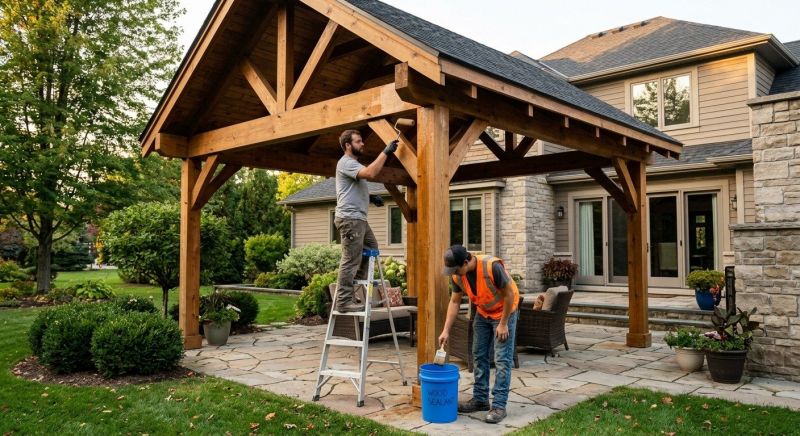
Pavilion Sealing in Seattle, WA
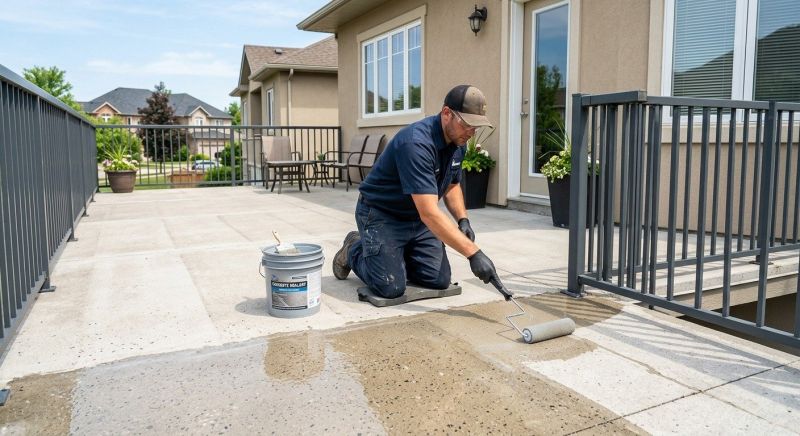
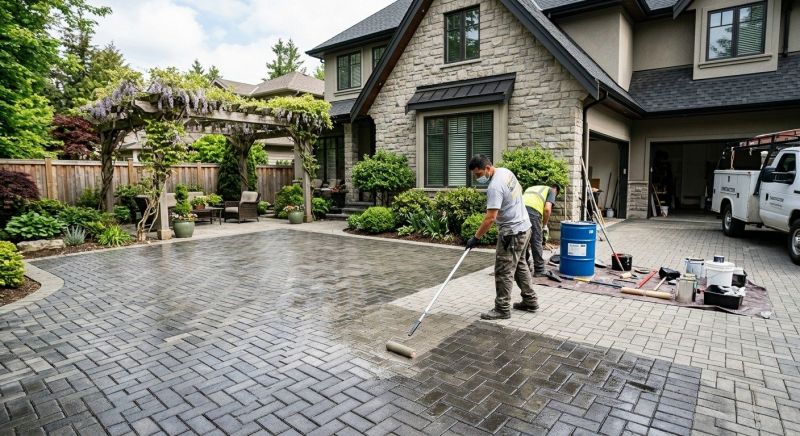
Pavilion sealing services involve applying a protective coating to the surface of pavilions, pergolas, and similar outdoor structures to prevent water infiltration, weather damage, and deterioration. This service is commonly requested for projects that include wooden, concrete, or composite pavilions, especially those showing signs of aging, cracking, or weathering. Property owners often seek pavilion sealing to extend the lifespan of their outdoor structures, maintain their appearance, and protect their investment against moisture and environmental elements.
Before requesting pavilion sealing, property owners typically want to understand the condition of the existing surface, the appropriate type of sealant for their specific material, and the recommended maintenance schedule. It's also helpful to consider the scope of the project, such as whether the entire pavilion or only certain sections need treatment. Proper preparation, including cleaning and repairing any damage, is essential for optimal results and durability of the sealant application.
Many property owners in Seattle, WA look into Pavilion Sealing for repairs, replacements, upgrades, and appearance-related improvements.
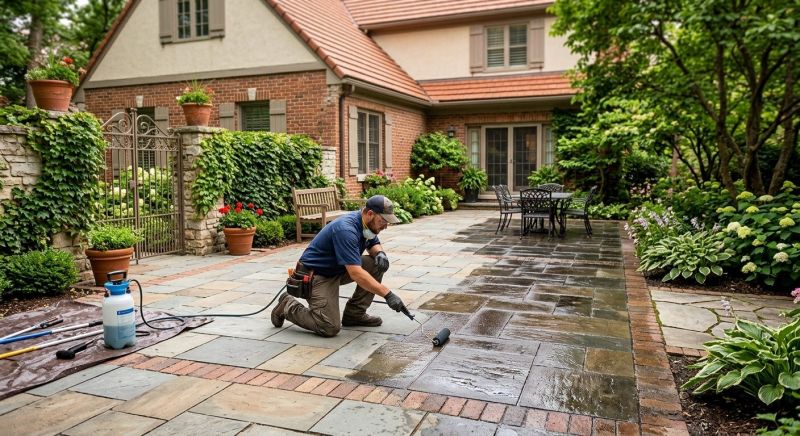
Pavilion Sealing Benefits
Sealing pavilions helps prevent water damage and extends their lifespan.
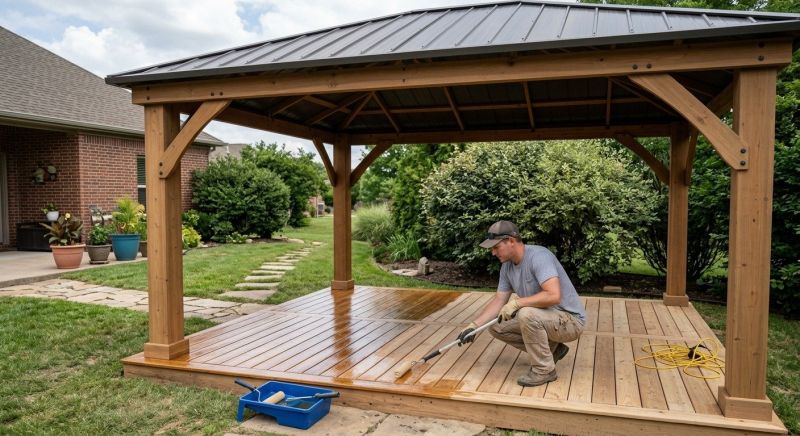
Common Pavilion Sealing Projects
Services often include sealing wood, concrete, and other pavilion surfaces to protect against weathering.
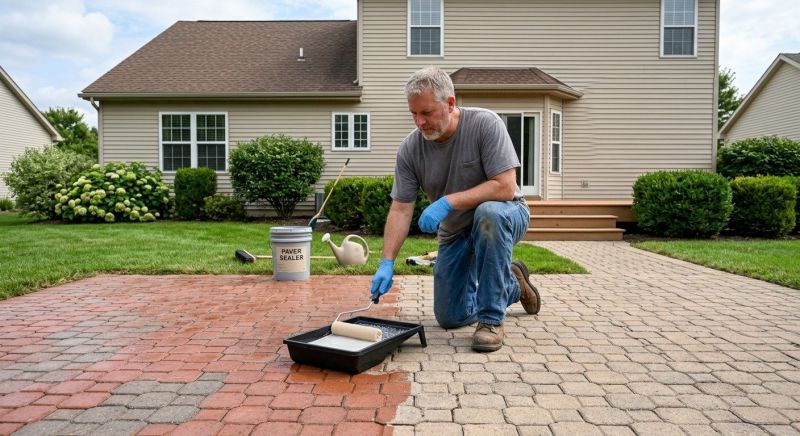
Maintenance Tips For Pavilions
Regular sealing can keep outdoor structures looking new and reduce the need for repairs in seattle's climate.
Pavilion Sealing in Seattle, WA

Pavilion sealing services involve applying a protective coating to the surface of pavilions, pergolas, and similar outdoor structures to prevent water infiltration, weather damage, and deterioration. This service is commonly requested for projects that include wooden, concrete, or composite pavilions, especially those showing signs of aging, cracking, or weathering. Property owners often seek pavilion sealing to extend the lifespan of their outdoor structures, maintain their appearance, and protect their investment against moisture and environmental elements.
Before requesting pavilion sealing, property owners typically want to understand the condition of the existing surface, the appropriate type of sealant for their specific material, and the recommended maintenance schedule. It's also helpful to consider the scope of the project, such as whether the entire pavilion or only certain sections need treatment. Proper preparation, including cleaning and repairing any damage, is essential for optimal results and durability of the sealant application.
Many property owners in Seattle, WA look into Pavilion Sealing for repairs, replacements, upgrades, and appearance-related improvements.
Common Pavilion Sealing Jobs
Pavilion sealing - helps prevent water intrusion and air leaks around pavilion structures.
Deck sealing - protects wood surfaces from moisture, UV damage, and decay.
Patio sealing - enhances durability and maintains the appearance of concrete and stone surfaces.
Fence sealing - extends the lifespan of wooden fences by reducing weather-related damage.
Roof sealing - seals gaps and cracks to improve energy efficiency and prevent leaks.
Wall sealing - blocks drafts and moisture entry for better indoor comfort.
Pavilion Sealing Questions
What is pavilion sealing? Pavilion sealing involves applying a protective coating to outdoor structures to prevent water infiltration and weather damage.
When should pavilion sealing be done? Sealing is recommended when the surface shows signs of wear, cracking, or after significant weather exposure.
What types of pavilions benefit from sealing? Wooden, metal, and concrete pavilions all benefit from sealing to extend their lifespan and maintain appearance.
How does sealing protect a pavilion? Sealing creates a barrier that reduces moisture penetration, preventing rot, rust, and surface deterioration.
Request Pavilion Sealing in Seattle, WA
Use the quote form on this page to share the basics of your project and request more information for the type of work you need.